Case study · Koda
From slime to digital companion.
Koda is a desktop companion that grows as you build with AI, then sifts the noise and scouts collaborators for you while you sleep.
The problem
Building with AI is powerful. It can also feel lonely and sterile.
You can ship more than ever, and almost none of it is visible. The tools are cold, the progress is invisible, and there is no one to share a good day with.
I believe it does not have to be that way. People like having a companion who grows with them, so I tied personal growth to something you can see.
Act one
A companion that grows with you.
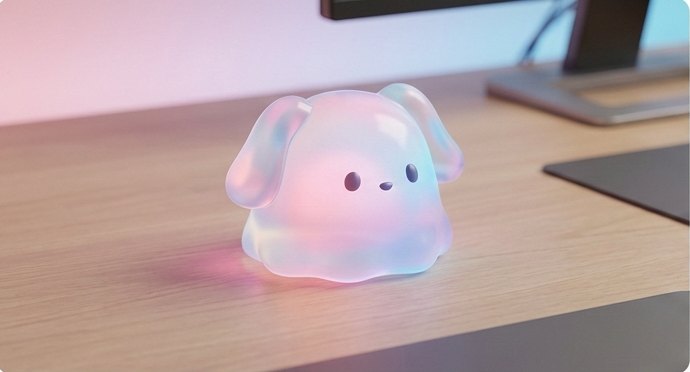
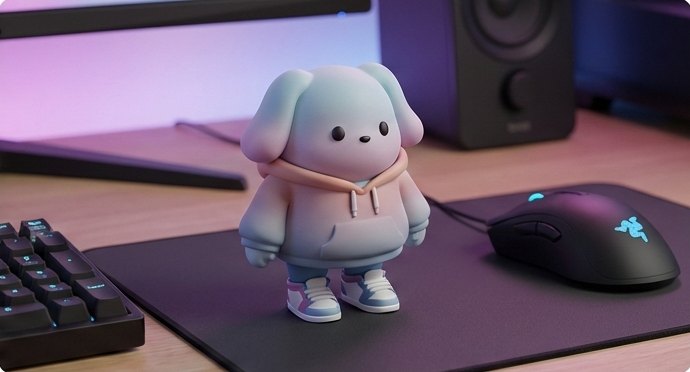
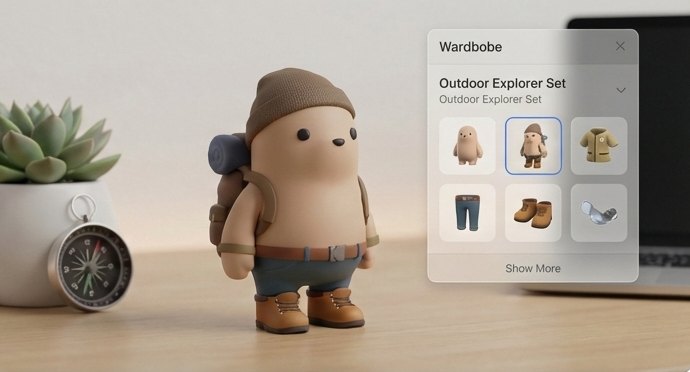
Koda starts as soft, translucent jello. Real work earns it experience, and it hardens into a fully detailed vinyl designer toy.

Real work counts
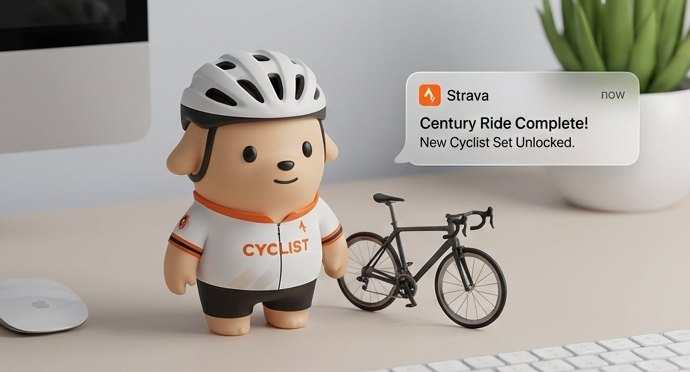
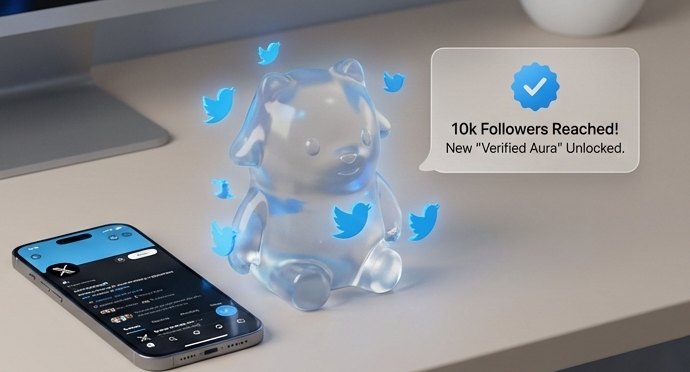
Focus time and a built-in task list drive daily XP. GitHub commits and merges, video uploads and social momentum from X, Reddit, YouTube and Twitch add more.
Make it yours
Spend coins in the wardrobe. Drag an image onto Koda and it takes on that image’s colors, the same instinct behind ColorSnap.
The Day Market
While you work, Koda researches your interests and delivers a Daily Drop: a frosted-glass card of sports scores, commerce trends or finance moves.
Design decisions
Quiet by default.
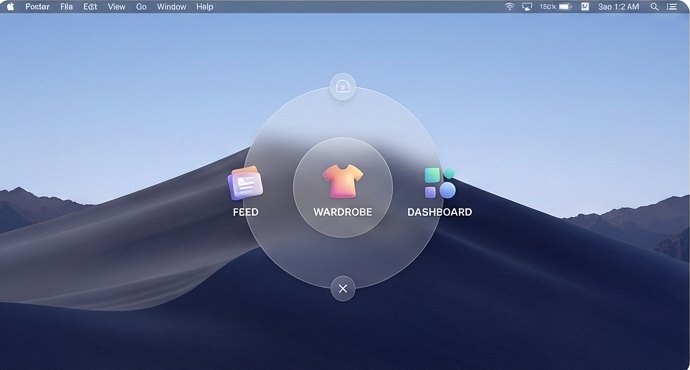
Koda lives in a transparent, frameless window that ignores your mouse, so you can keep working in the apps behind it. Hold Option and its radial menu appears: Feed, Wardrobe, Dashboard.
A companion that sits on your screen all day has to earn that spot. It should never get in the way.
Act two
Koda works the night shift.
While you are offline, the Night Market sifts the clutter of news, new trends and newsletters, so the morning shows what matters to you. You can also set a Bounty, such as “Looking for a vibe coding collaborator,” and Koda matches it against other people’s Kodas. A brief and a Scout Card are waiting the next morning.
It learns from what you do
Koda notices the newsletters you actually open, the people you follow, the streamers you watch and the layouts you keep searching for. It learns from habits, not from what you say you like.
It sifts, it does not decide
Koda sorts and surfaces. What it can see, and where it can look, is set by you.
A reflection you can compare
Because Koda mirrors you, you can look at other people’s Kodas: how they are dressed and what their roles are in the Night Market.
Picture everyone with their own Koda, sifting resumes and websites for people worth working with.
The loop, sketched
Both acts on one page.
focus, commits, posts
XP and coins
to vinyl, new looks
Daily Drop card
“Looking for a vibe coding collaborator”
and learns your habits
other Kodas overnight
sifted picks + Scout Card
Trust
Koda advocates. It never acts for you.
Koda only shares or searches inside the parameters you set. It never deletes, moves folders or approves anything. It helps you sift through the clutter and leaves every decision with you.
Risks I am watching
Platform access
Social stats depend on other platforms’ APIs, which can change or close. Act one has to hold up when a connection drops.
The cold start
Matching only gets good with many Kodas. That is why act one comes first: it has to earn adoption before the Night Market has anyone to find.
Predictability
An agent that touches your files has to be boring and predictable. The hard limits are the product, not a footnote.
Success
Koda adoptions.
One number. Act one gives someone a reason to adopt a Koda. Act two gets more valuable with every Koda that joins.
How it would be built
I specified the stack and directed the build with AI tools. I do not write the code, but I make the decisions about what to use and why.
Tauri desktop wrapper
React and Tailwind interface
React Three Fiber for the 3D model
SQLite for state, XP and inventory
Want to talk about Koda?
ianandreen@gmail.com